ReferenceInternational Business Law
How to avoid U.S. tariffs as an international supplier
This article shows how to avoid tariffs as a supplier by using the appropriate Incoterms 2020 clause in your supply contracts with U.S. buyers.
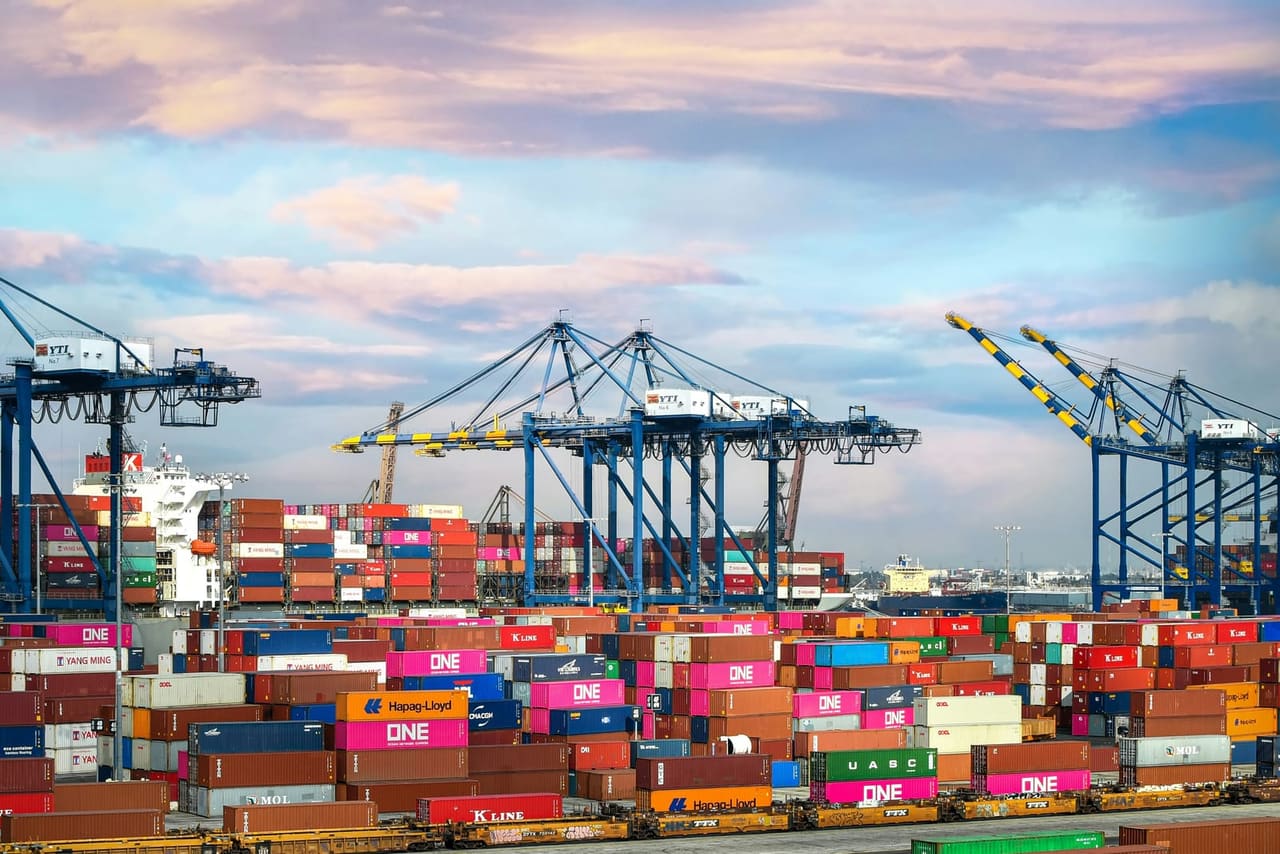
US tariff policy changes faster than supply contracts can follow. On 20 February 2026, the US Supreme Court held in Learning Resources v. Trump (No. 24-1287) that the International Emergency Economic Powers Act (IEEPA) does not authorize the President to impose tariffs. That does not make the tariffs go away. The product-specific tariffs on steel, aluminum, and cars rest on a different statute in any event, and the US administration replaced the IEEPA tariffs with a new levy on another legal basis on the day of the judgment.
For your supply contract, that is bad news and good news at once. The bad news: you cannot control which statute the tariffs rest on, or how high they will be tomorrow. The good news: you do not have to. Who bears the duty is decided by your delivery term, and that one is yours to set.
If you are a supplier outside the U.S., you should not agree to DDP (place of destination in the U.S.) Incoterms® 2020 as a delivery term. Otherwise, under DDP (Articles A7 and A9 of Incoterms 2020), you assume all import clearance formalities and the associated responsibilities, risks, and costs (tariffs, taxes, etc.). It can also be physically and legally challenging for foreign suppliers to fulfill these obligations in the U.S.
Generally, ensure you do not take on any responsibilities, risks, or costs related to possible U.S. tariff increases in your sales contracts with U.S. buyers.
Which clause makes you the one who pays
The ICC set this out in an April 2025 guidance note: under ten of the eleven Incoterms 2020 rules, the buyer handles the import and therefore bears the tariff. The one exception is DDP, where the seller pays duties, taxes, and import charges in the destination country. Under EXW the buyer even handles export clearance; under all the others the seller clears export, but the buyer still bears the import tariff.
For you as a supplier outside the U.S., the lesson is simple: every clause other than DDP keeps the US tariff away from you.1
You cannot invoke force majeure if the tariffs were already in force or had been announced when the contract was concluded. Since early 2025, that is the normal case. Nobody concluding a contract for deliveries into the US today can claim that tariffs were unforeseeable. Why most clauses fail on exactly that point of foreseeability is set out in the article “Why most force majeure clauses fail”.
Whoever paid is the one who reclaims
After the judgment, US customs is working on refunding the duties collected without a legal basis. Only the importer of record can reclaim them, meaning whoever filed the entry and paid. And who that is, is decided by your Incoterms rule.
Under DDP, it is you. You paid, so the claim is yours. But you have to pursue it in the US, within deadlines and with complete documentation of every single entry. Under FCA, CIP, or DAP, it is your US buyer. The refund goes to him, even where you met him on price.
That creates a situation almost no supply contract addresses. One party paid, the other carried the duty economically, and the money reaches only one of them. Anyone who passed the duties on through the price sits between two fronts: on one side the own refund claim, on the other the customer who wants the passed-on cost back. The US government is already arguing that importers who passed the duties on in full would be unjustly enriched by a refund.
Settle this in the contract before the case arises: who files the entry, who carries the duty economically, and who is entitled to a later refund. One sentence is enough. It is almost never there.
Which Incoterms clause fits which situation in principle is shown in the article “Incoterms® 2020: practical overview”. For container shipments through ports, the article “Incoterms® 2020 FCA and CPT – Best practice” explains why FCA and CPT fit better than FOB, CFR, and CIF. For a critical overview of why clause selection usually fails in practice, see the article “Incoterms® 2020: A Reality Check”.
Notes
-
ICC, guidance note “Using the Incoterms® 2020 Rules to Manage Tariff Risk in International Trade”, April 2025. ↩
Reference: Poleacov, P. (2026). How to avoid U.S. tariffs as an international supplier. INN.LAW. https://inn.law/en/perspectives/us-tariffs-incoterms/